Jharkhand Brings One of the World’s Oldest Megaliths Traditions to the Global Stage
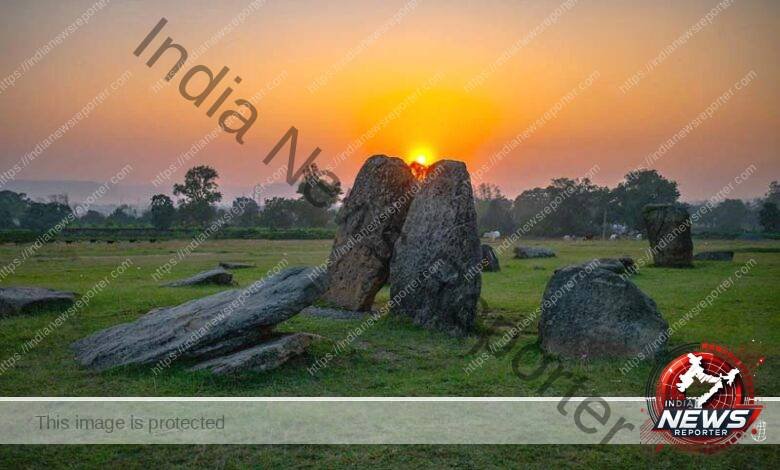
Ranchi, Jharkhand (INR / Mukesh Bhartiya). As Jharkhand prepares to engage with global leaders at the World Economic Forum Annual Meeting 2026 in Davos and during its official visit to the United Kingdom, the State is also bringing to the international stage a deeper story of land, time, and cultural continuity, one rooted in one of the oldest Megaliths traditions on Earth.
Jharkhand lies on the Singhbhum Craton, one of Earth’s earliest stable landmasses, formed over 3.3 billion years ago. Across this ancient geological foundation, human communities have, for millennia, raised megaliths, monoliths, and stone circles to mark memory, ancestry, and cosmic order.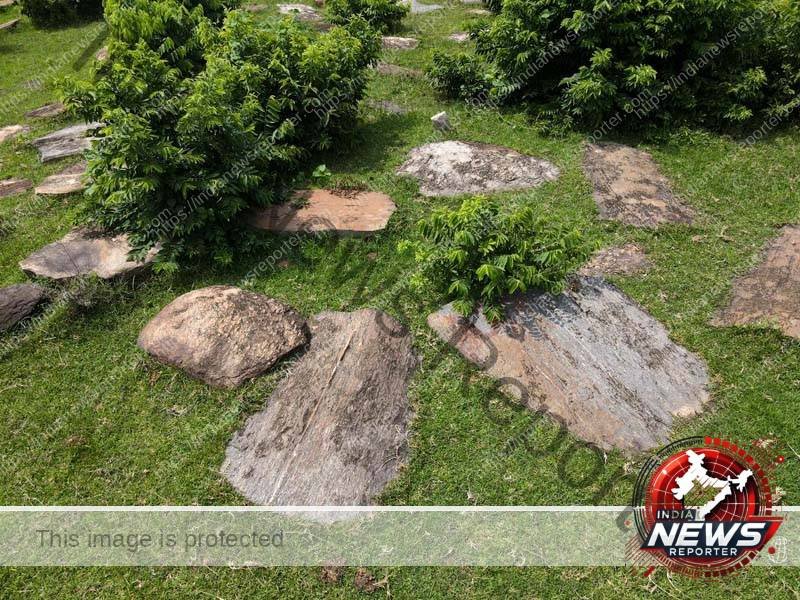
Unlike most megalithic cultures worldwide, which survive only as archaeological remains, Jharkhand’s stone traditions remain active and living, maintained by indigenous communities who continue to use these sites for ritual and remembrance.
Sites such as Chokahatu in Ranchi district, the largest living megalithic landscape in the Indian subcontinent, continue to receive new memorial stones placed by the Munda community, creating a layered archive of lineage and memory that spans across centuries.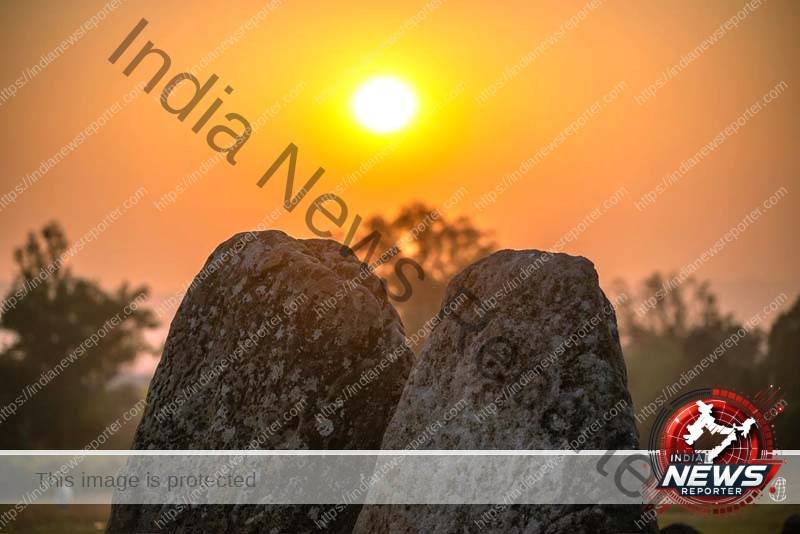




At Pakari Barwadih in Hazaribagh, carefully aligned monoliths track the movement of the sun and the Equinox, placing Jharkhand within the global history of prehistoric astronomy. These stone formations invite comparison with iconic sites such as Stonehenge in the United Kingdom, reflecting a shared human impulse across continents and millennia to anchor time, death, and cosmic order in stone.
Together with cave complexes such as Isko and the fossilised forests of Mandro, these landscapes form a rare continuum where deep planetary time and living human culture coexist in the same geography.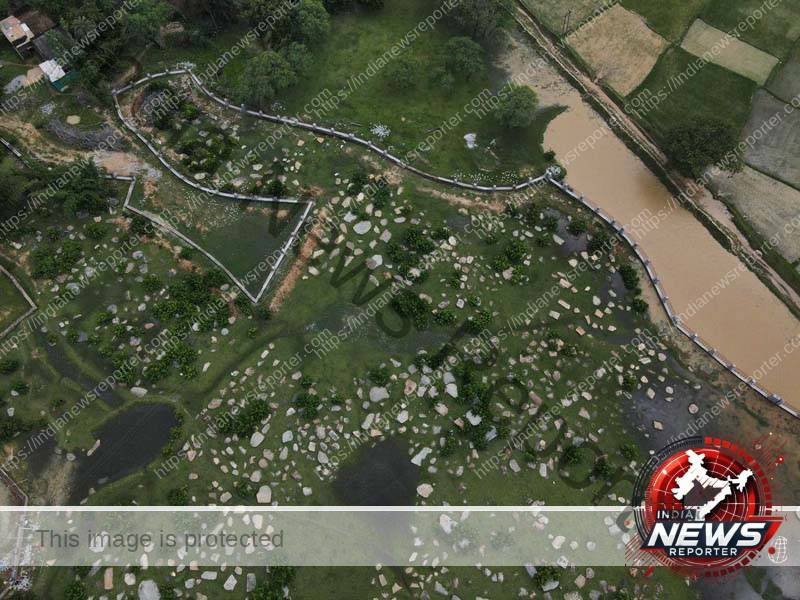
By presenting this heritage alongside its economic and development vision at Davos and in the United Kingdom, Jharkhand is offering a perspective that is increasingly vital to the global conversation: that long-term growth must be anchored in ecological memory, cultural continuity, and respect for deep time.
This narrative also aligns closely with the India–United Kingdom cultural preservation and cooperation framework, which promotes ethical conservation, museum partnerships, research exchange, and the protection of heritage in Situ.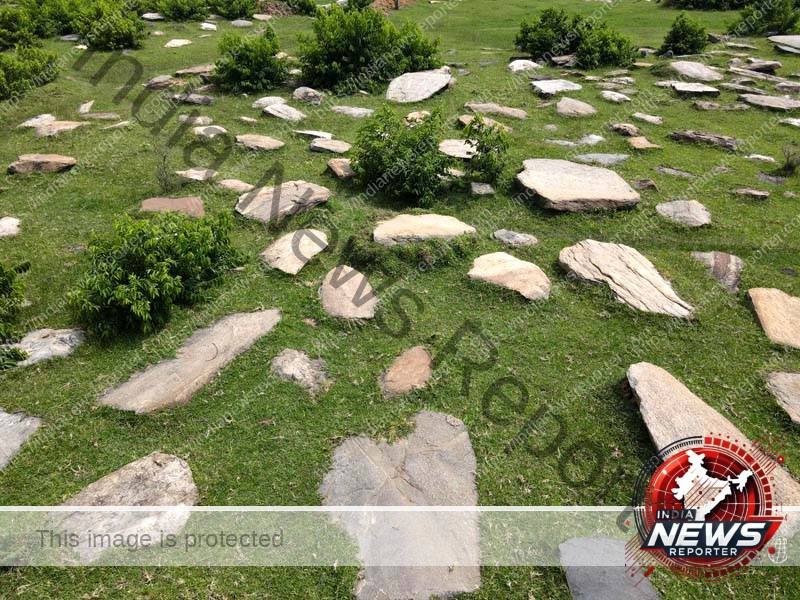
Jharkhand’s megalithic landscapes preserved not in distant collections but in living villages and forests represent a powerful example of how heritage can be safeguarded while remaining embedded within its communities.
The stones of Jharkhand are not remnants of a forgotten world.
They are living witnesses, recording ancestry, astronomy, and human resilience across millennia. From the Stone Age to the golden pages of history, Jharkhand has carved its legacy, and in the modern era, it is playing a vital and decisive role in strengthening the nation’s economy and development.